Thursday, February 4, 2021

Is hypothyroidism hereditary?


Q: I am 32 years old and I have a family history of hypothyroidism. Is hypothyroidism hereditary?


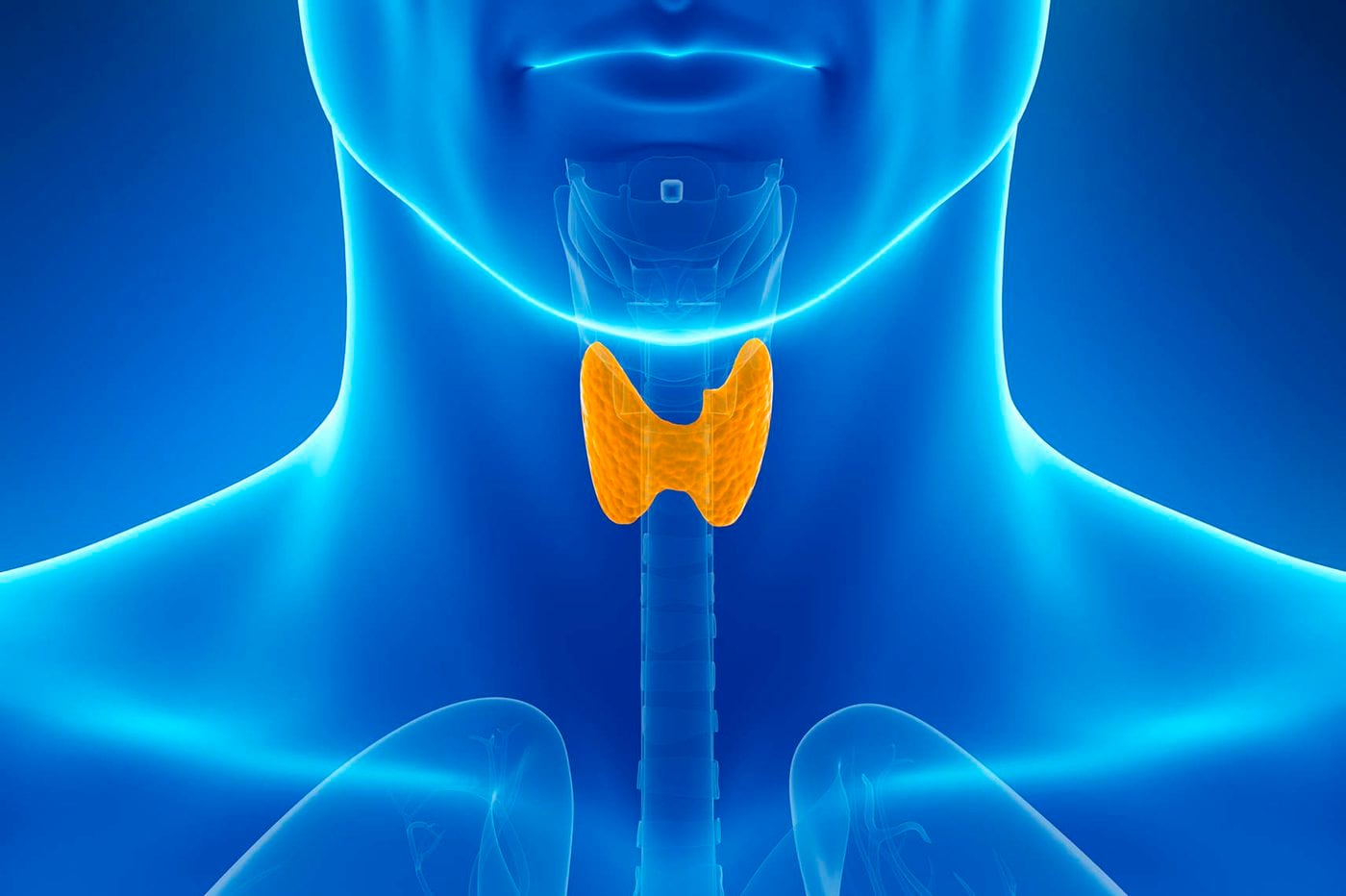
A: Hypothyroidism is a condition in which the thyroid gland is underperforming. Fuel processing in the body is affected by this condition and energy levels decline. Patients may gain weight, become constipated and feel cold and depressed. Causes of hypothyroidism involve damage to the thyroid either through an antibody reaction triggered in the body or after physical injury such as surgery. Antibody reactions to the thyroid are frequently seen in family members, but simply having relatives suffering from hypothyroidism does not guarantee that one's thyroid will malfunction. Usually a triggering event such as stress awakens the innate tendency one may have to form antibodies against their own thyroid. Women are more likely to develop hypothyroidism under these circumstances.  



Food and nausea?


Q: Almost every time I cook my own food or smell food cooking and can’t physically watch it be cooked I lose my entire appetite (even though I’m starving) and get super nauseous and can’t eat. My question is what could cause this?

I am not pregnant (actually started my period yesterday morning) and I have Type 1 diabetes.

Female | 23 years old
Complaint duration: Months
Medications: Novolog/ Lantus
Conditions: Diabetes


A: Do your symptoms of nausea apply to raw foods (salads), snacks, fruit, prepared meals as well?  You have a good appetite but exposure to the cooking process appears to trigger an unpleasant smell experience. Changes in taste and smell are not usually attributable to diabetes mellitus.  They have been described in patients with brain injury and infection, such as Covid-19. Since this problem is a recent development, I would advise that you have a thorough medical check up.


Saturday, January 16, 2021

Type 1 diabetic for life not needing insulin anymore?


I have a friend that has been a type 1 diabetic since age 7 and they are 61 now. They wanted to lose weight and started taking HCG. After a few weeks to a month, their BS levels have slowly decreased until they don't need insulin anymore. As long as they do a small amount of HCG every few days, their BS levels stay in the normal range. Are there any hidden dangers of coming off of the insulin that we should know about?
 

In type 1 diabetes individuals rely on insulin delivery, usually by injection, to lead a normal and productive life. This condition can only be reversed through the transplantation of pancreatic tissue to secure insulin production. hCG is a  hormone that supports the development of eggs and ovulation in the female's ovary. Its use in the prevention or treatment of diabetes is considered investigational. It cannot replace insulin, but it may have a role in improving sensitivity of tissues to insulin. This could benefit patients with type 2 diabetes who are resistant to the insulin  they produce. 

Discontinuing insulin in any circumstance should be considered carefully with glucose monitoring and under medical supervision. In  the present classification of diabetes, individuals who no longer require insulin treatment to maintain blood glucose control cannot be considered type 1. 


What fruits should diabetics avoid?


I am a 40 year old female and I was diagnosed with diabetes. I want to change my diet to hopefully reverse this. What fruits should diabetics avoid?


Fruits are valuable sources of vitamins, minerals and fiber. They contain water important for our hydration and they are naturally flavored with fructose and glucose. Sweetness differs among fruits. Tropical fruits and figs are high on the list of sugar content. Independent of our choice of fruit, fruit should not exceed one cup (serving) at the meal. It should always be part of a mixed meal with proportions of other nutrients i.e. protein, vegetables, starch on the plate  as featured in my book:  A Blueprint for Healthy Eating: Your Diet Guide for the New Millennium. A mixed meal ensures a smooth glucose response with or without medication. 


Thursday, December 31, 2020

What tests diagnose diabetes?

 I am a 43-year-old female and I want to be tested for diabetes. What tests diagnose diabetes?


The diagnosis of diabetes mellitus is made by a blood (serum) glucose test. For non-pregnant adults a blood glucose level above 126 mg/dL before eating in the morning is considered diagnostic of diabetes mellitus. A blood glucose level over 200 mg/dL at any time will also make the diagnosis. Keep in mind that certain medications, stressful experiences such as acute illness or surgery may elevate the blood glucose levels. Persons with diabetes will frequently be complaining of thirst causing them to drink plenty of fluids and to urinate frequently, even interrupting their sleep. 

The distinction between prediabetes and diabetes is best made when the person is afebrile , not menstruating and preferably tested in the morning. A glucose challenge test using a sweet beverage with 75 g of glucose is sometimes ordered to confirm the diagnosis with blood drawn before the drink and 2 hrs after consuming it. 

Alternatively, some physicians rely on a hemoglobin A1c (HbA1c) test, which reflects a blood glucose average of the previous 3 months. A result greater than 6.5 % is considered diagnostic for diabetes. I prefer to confirm HbA1c results with blood glucose testing, as described, since the diagnosis of diabetes mellitus has very serious implications for both the patient and their health record. 


Saturday, November 21, 2020

What are the treatment options for hypothyroidism?

I'm 40 years old, and I was diagnosed with hypothyroidism by my doctor just a few days ago. My doctor hasn't discussed the treatment options with me yet. How is this usually treated?


Hypothyroidism is a condition where the thyroid gland cannot produce adequate amounts of hormone to meet needs in the body. The diagnosis is made with special testing (TSH test). Thyroid hormone is replaced with a synthetic 'replica' or by hormone from animal sources. Levothyroxine , also known as T4, is usually prescribed and the body converts it to the active form known as  T3. In some cases , we prescribe both active T3 and T4 in combination. This may be the situation in persons who find that their energy level and other symptoms do not improve, even if testing shows that the dose of T4 prescribed is adequate. Your doctor will complete proper testing and monitor your progress on one of these options. They will decide if a brand name product or a generic preparation are the most appropriate for you. 

Saturday, October 31, 2020

Should I be concerned about it when my mother and grandmother have diabetes?


Diabetes mellitus type 2 (insulin resistance)  in first degree relatives would classify you as having increased risk for developing diabetes. This means that periodic (at least annual) screening with glucose testing and HbA1c measurement are indicated. Diet and exercise are the best strategy for prevention. 

Diabetes mellitus type 1 (insulin dependent) in a first degree relative is much less likely to suggest that you are at risk for diabetes.  It usually is associated with antibodies against insulin-producing cells in the pancreas.